
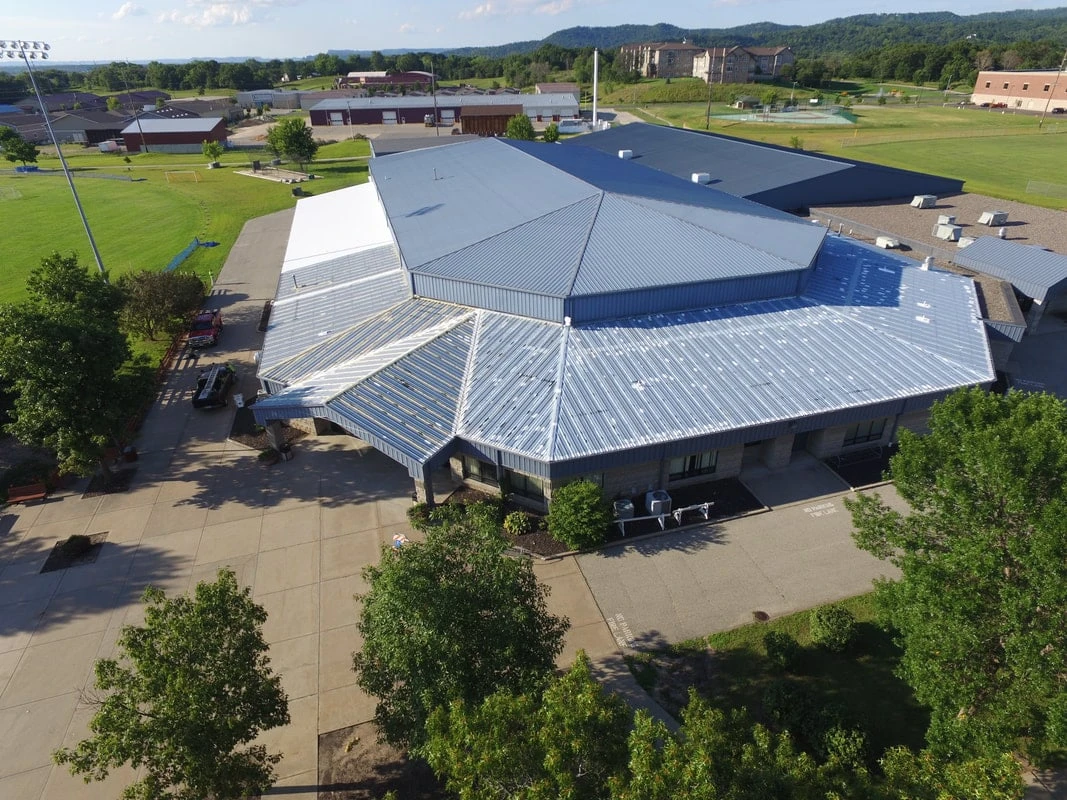
Commercial roofs in St. Louis do not fail overnight. They wear down season by season.
Summer heat expands materials. Fall debris clogs drainage. Winter freeze cycles stress seams. Spring storms test flashing and penetrations.
Routine maintenance is not about preventing every issue. It is about catching small problems before they become expensive repairs.
Here is a practical seasonal guide for protecting your commercial roof in St. Louis.
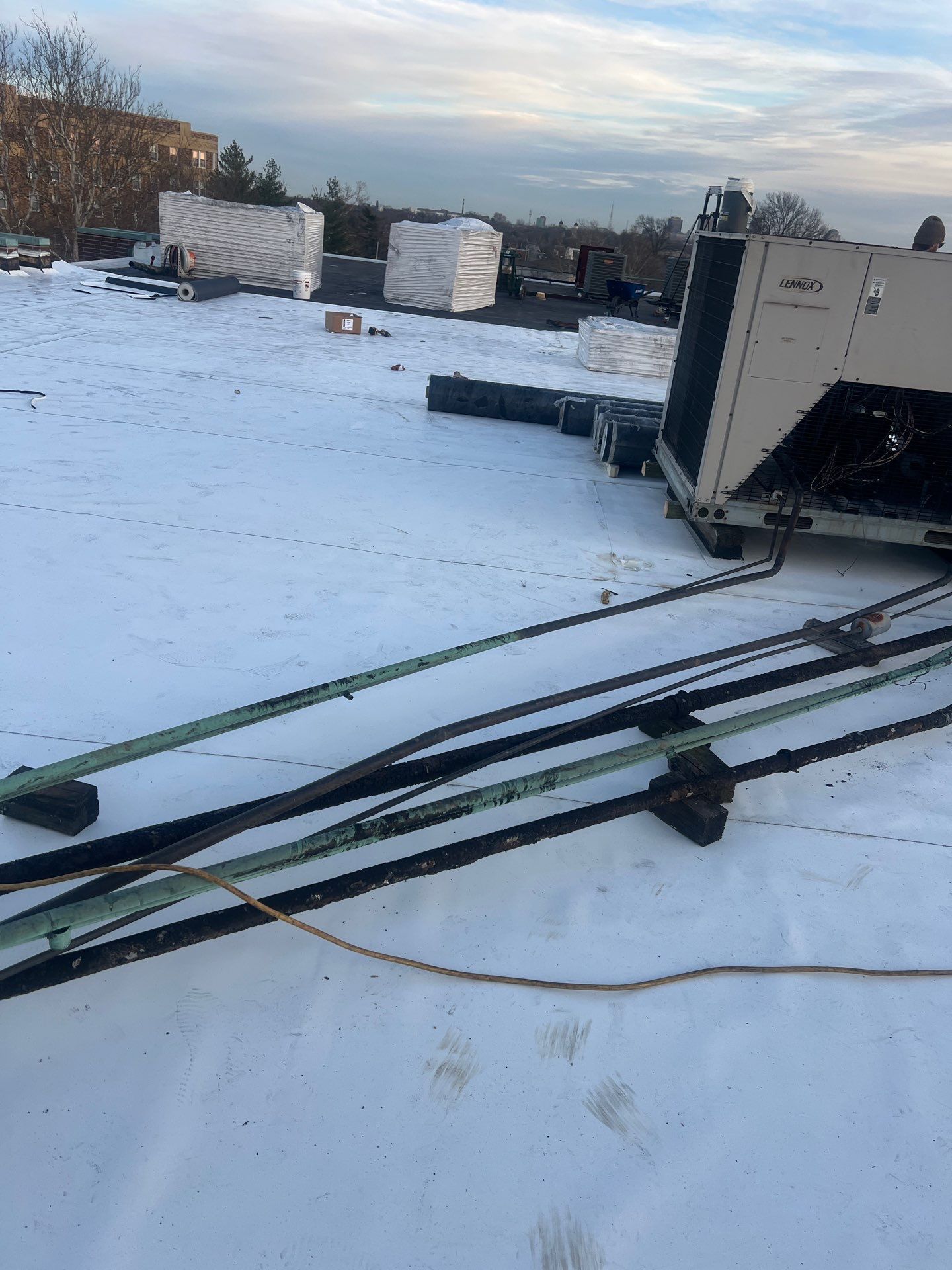
Spring: Inspect for Winter Damage
Winter is hard on commercial roofing systems. Freeze-thaw cycles cause expansion and contraction that weaken seams and flashing.
In early spring, schedule a professional commercial roof inspection to check for:
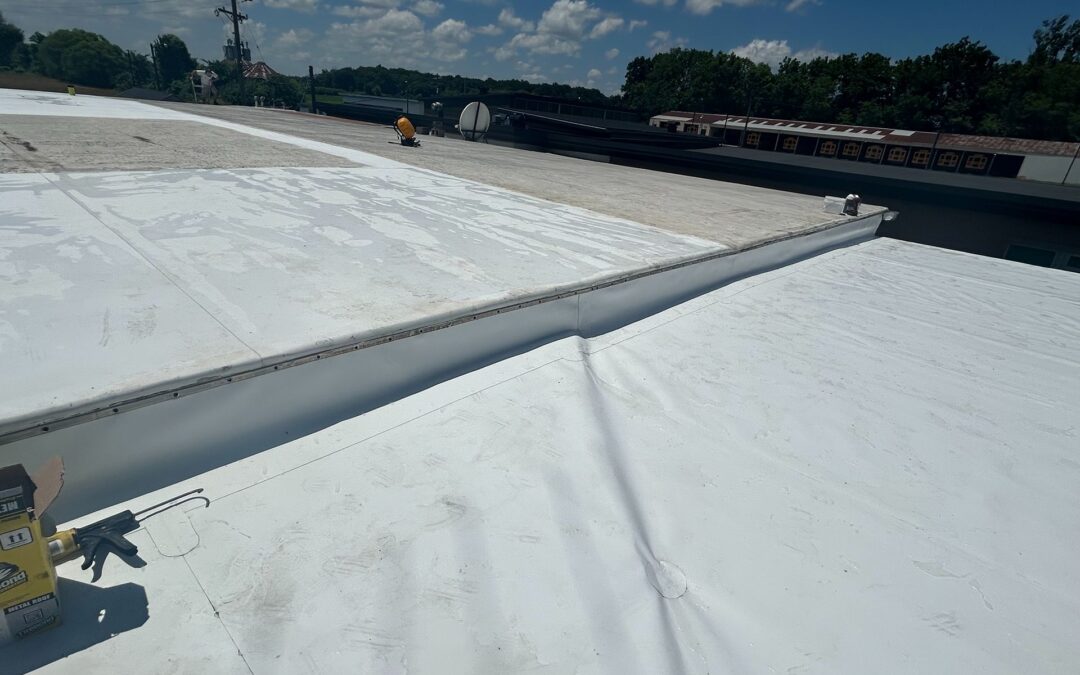
- Open or lifted seams
- Cracked membrane sections
- Loose flashing
- Drainage blockages
- Signs of ponding water
Spring storms also bring heavy rain. Ensuring drains and scuppers are clear reduces the risk of water intrusion.
Addressing minor seam separation early prevents larger commercial roof repair costs later in the year.
Summer: Monitor Heat and UV Exposure
St. Louis summers place intense stress on flat and low-slope roofing systems.
High temperatures accelerate membrane aging and degrade adhesives. Reflective coatings can lose performance if not maintained.
During summer, monitor:
- Surface cracking
- Blistering
- Membrane shrinkage
- Sealant deterioration
If cooling costs rise unexpectedly, the roof may be contributing to heat gain.
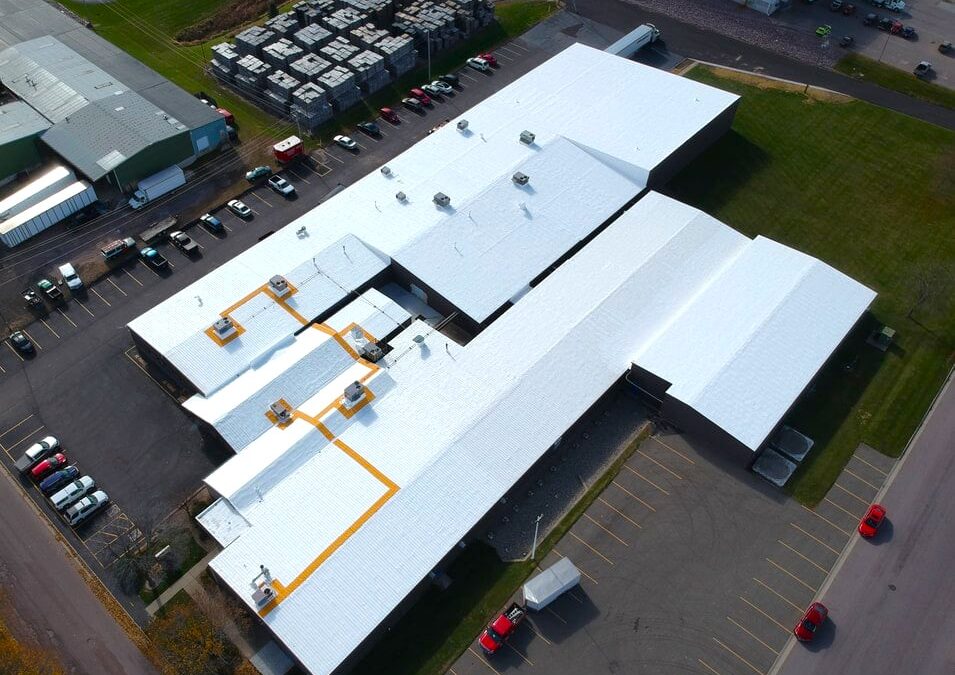
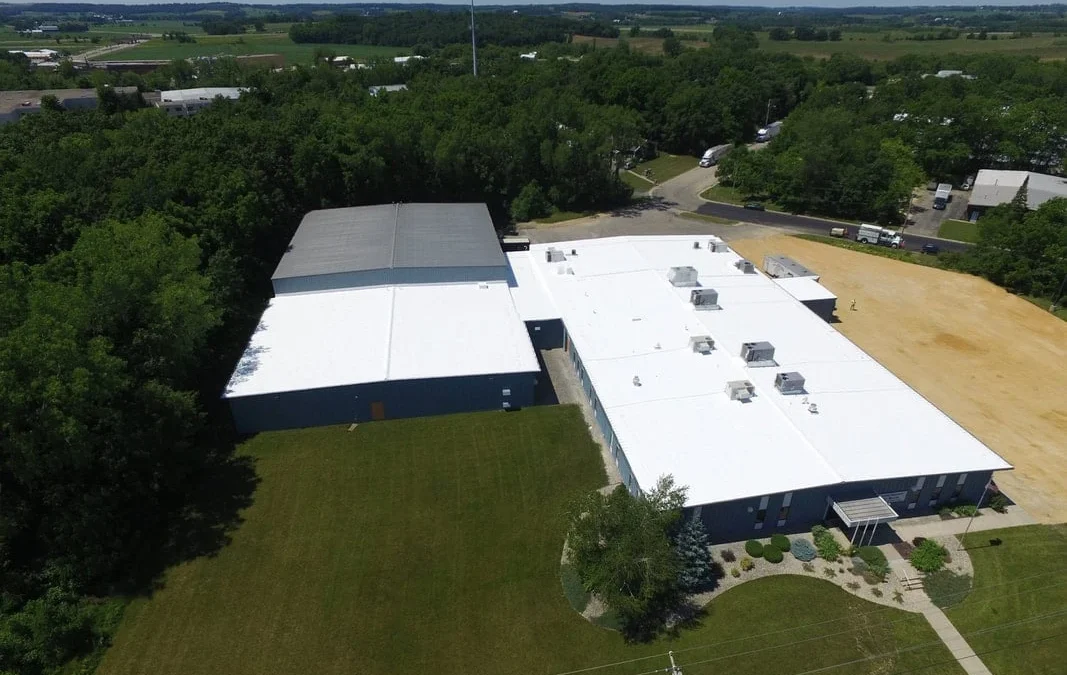
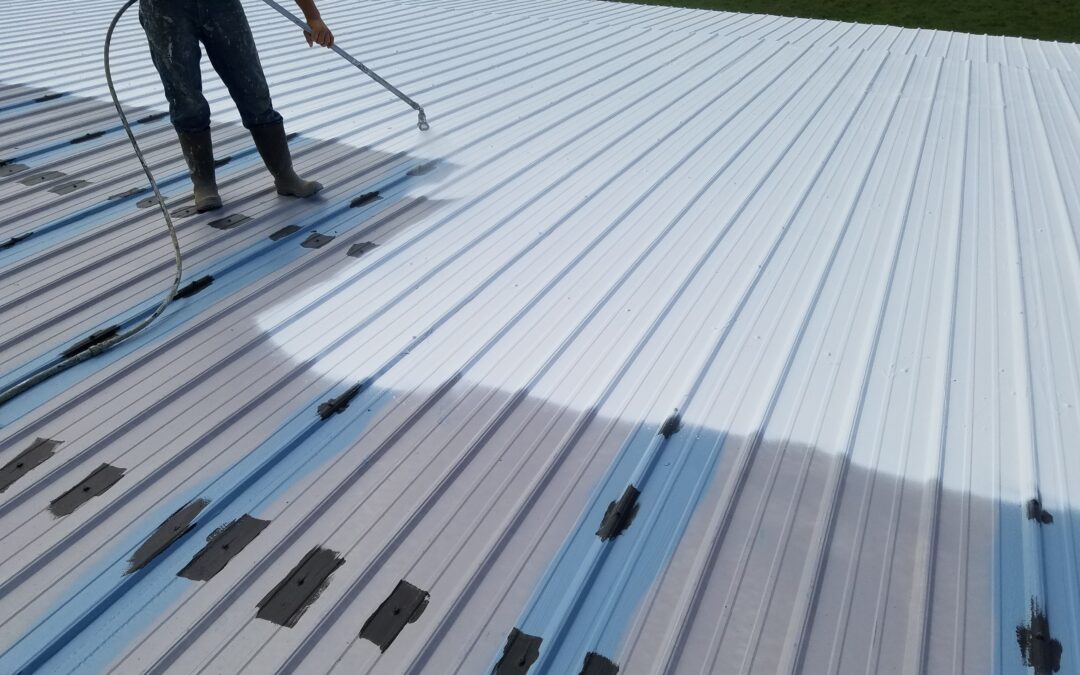
Commercial roof coating systems or spray polyurethane foam restoration may improve reflectivity and energy efficiency when the structure remains sound.
Fall: Clear Debris and Prepare for Rain
Leaves and debris accumulate quickly on commercial roofs in the fall.
Clogged drains are one of the most common causes of ponding water and leaks.
Before winter arrives:
- Remove debris from roof surfaces
- Clear drains and scuppers
- Check flashing around penetrations
- Inspect edge details
Flat roof repair often begins with drainage correction. Water that cannot drain properly adds stress to seams and shortens roof’s lifespan.
Fall maintenance reduces emergency repairs during winter storms.
Winter: Watch for Ice and Moisture Intrusion
Winter in St. Louis brings freezing temperatures and snow accumulation.
Ice formation increases weight loads and exposes weak seams. If flashing details are compromised, melting snow can penetrate the system.
While major repairs are not always practical in winter, monitor for:
- Interior water stains
- Ceiling discoloration
- Increased moisture levels
If active leaks appear, immediate commercial roof leak repair is necessary to prevent structural damage.
Twice-Yearly Professional Inspections
Commercial roofs should be professionally inspected at least twice per year. Spring and fall are ideal.
A thorough inspection evaluates:
- Membrane integrity
- Seam condition
- Flashing performance
- Drainage efficiency
- Insulation moisture
- Structural deck stability
Routine inspections extend roof lifespan and preserve restoration options.
Many commercial roofs that are maintained properly can avoid premature replacement.
Preventative Maintenance Saves Capital
Delaying maintenance often leads to:
- Saturated insulation
- Structural deck damage
- Interior disruption
- Full roof replacement
Preventative commercial roof maintenance in St. Louis costs far less than emergency tear-off.
The goal is simple. Preserve the roof before it fails.
Protect Your Commercial Roof Year-Round
Your roof protects inventory, equipment, tenants, and long-term asset value. Seasonal attention keeps it performing as designed.
Rapid Commercial Roofing provides commercial roof maintenance, flat roof repair, and commercial roof inspections throughout St. Louis, MO. Every recommendation is based on structural condition and long-term performance.
Schedule a Commercial Roof Inspection Today
Speak With a Commercial Roofing Specialist
Built on integrity. Installed to perform. Backed by workmanship, we stand behind.