
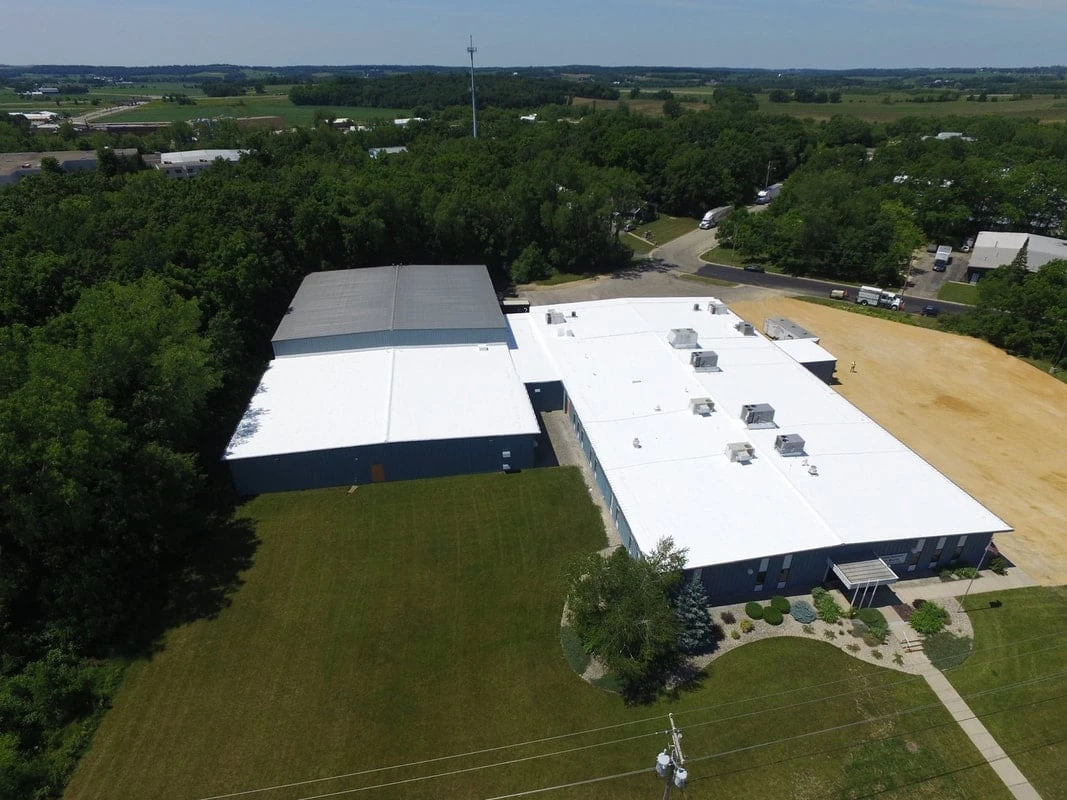
If you manage commercial property in St. Louis, you already know the weather does not play nice.
One month, it is ninety-five degrees and humid. Next, temperatures swing below freezing. Add in hail, heavy rain, strong winds, and rapid seasonal transitions, and your commercial roof takes constant punishment.
Roofing systems do not fail randomly here. They fail under pressure.
Understanding how St. Louis weather impacts your roof is the first step toward protecting your building long-term.
The Freeze-Thaw Cycle Problem
Winter in Missouri is not just cold. It fluctuates.
Temperatures rise above freezing during the day, then drop sharply at night. Water that enters small cracks expands when frozen, widening seams and stressing flashing.
Over time, this repeated expansion weakens membrane connections and exposes vulnerable areas.
Flat and low-slope commercial roofs are especially susceptible because minor drainage issues allow moisture to linger.
Long-term solution:
- Regular seam inspections
- Early repair of flashing separation
- Addressing ponding water before winter
Ignoring minor gaps before winter almost guarantees larger repairs in spring.
Intense Summer Heat and UV Exposure
St. Louis summers generate sustained heat and humidity.
Commercial roofing membranes expand under high temperatures. Over the years, repeated expansion and contraction cause fatigue. Adhesives weaken. Welded seams stress. Reflective surfaces degrade.
If your roof absorbs excessive heat, interior cooling demand increases. That affects operating costs.
Long-term solution:
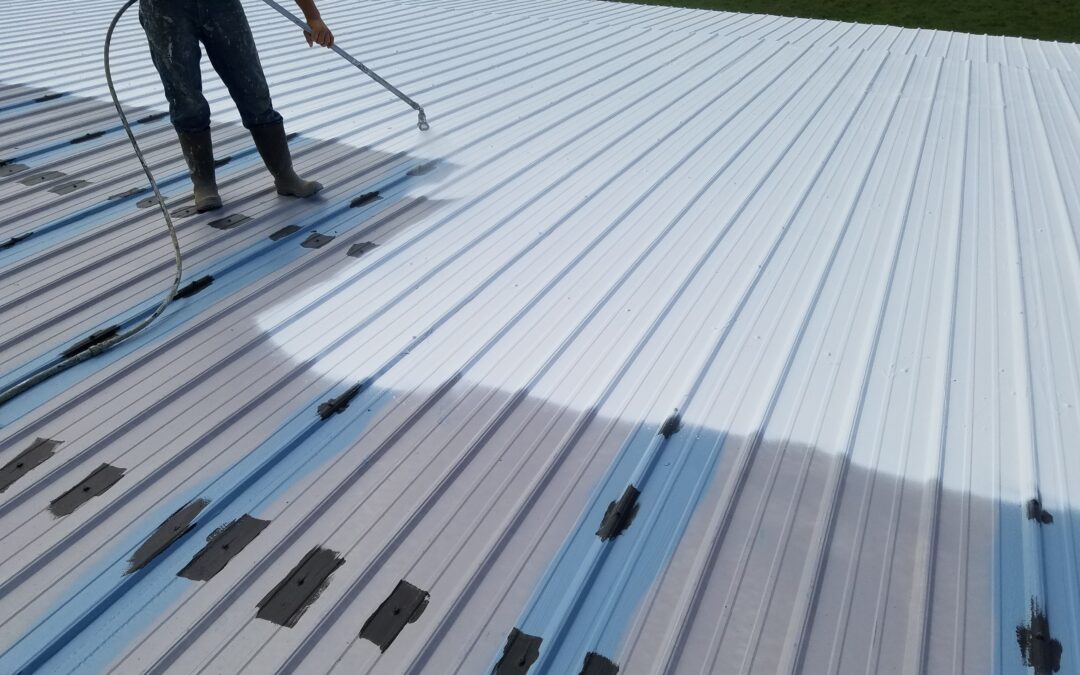
- Reflective roof coating systems
- Spray polyurethane foam roofing for added insulation
- Proactive membrane inspections
Heat stress does not show up overnight. It reveals itself gradually.
Heavy Rainfall and Drainage Stress
St. Louis sees significant rainfall throughout the year.
If drainage systems are partially blocked or slopes are inadequate, water accumulates. Ponding water accelerates membrane breakdown and increases leak risk.
Even well-installed commercial roofing systems can struggle if drains are neglected.
Long-term solution:
- Routine drain cleaning
- Biannual commercial roof inspections
- Early flat roof repair when ponding develops
Water always finds the weak point.
Storm and Hail Impact
Missouri storms bring wind uplift and occasional hail impact.
High winds test edge details and flashing attachments. Hail can fracture membrane surfaces or loosen protective granules.
Storm damage is not always obvious from the ground.
Long-term solution:
- Post-storm professional inspection
- Reinforcement of seams and penetrations
- Early commercial roof leak repair
Catching storm damage early prevents moisture infiltration that worsens over time.
The Hidden Risk: Deferred Maintenance
The most common weather-related failure is not a single storm event.
It is cumulative stress combined with delayed maintenance.
Small seam separations. Minor flashing cracks. Slight drainage inconsistencies.
Over time, they compound.
St. Louis weather does not forgive neglect.
A Performance-First Roofing Strategy
Long-term commercial roofing success in St. Louis requires:
- Regular inspection
- Drainage management
- Seam monitoring
- Early leak correction
- Restoration when viable
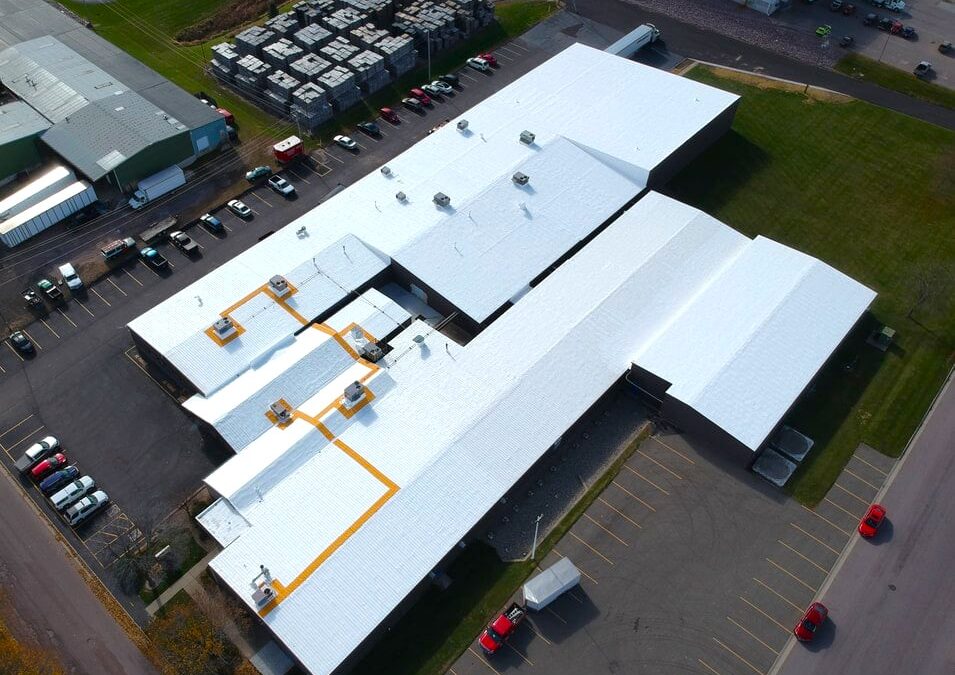
Many roofs do not need full replacement when maintained strategically. Restoration systems such as silicone coatings or spray foam can extend service life when the structure remains sound.
The key is timing.
Protecting Your Commercial Property Year After Year
Your roof is not just a surface. It protects inventory, tenants, operations, and capital investment.
In a climate like St. Louis, waiting for visible failure is expensive.
Proactive maintenance and informed decisions protect both structure and budget.
Rapid Commercial Roofing provides commercial roof repair, roof coating systems, flat roof repair, and restoration services throughout St. Louis, MO. Every recommendation begins with a thorough evaluation and focuses on long-term performance.
Schedule a Commercial Roof Inspection Today
Speak With a Commercial Roofing Specialist
Built on integrity. Installed to perform. Backed by workmanship, we stand behind.